Human Mission to Mars Explained: Challenges, Timeline & the Road Ahead
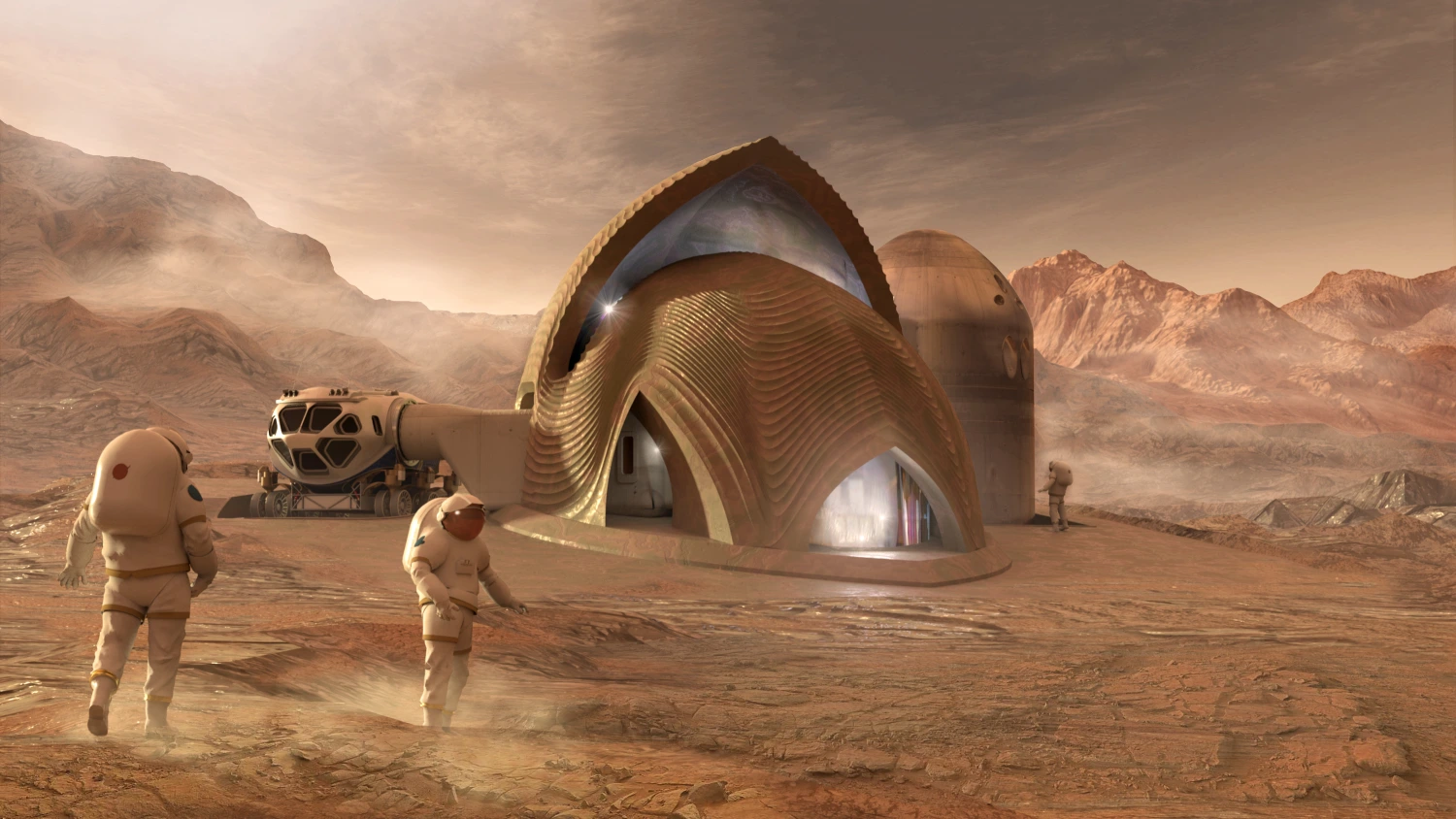
Sending humans to Mars has long been one of humanity’s greatest ambitions. What was once pure science fiction is now a serious scientific and engineering goal pursued by space agencies and private companies alike.
A human mission to Mars would represent a defining moment in human history, marking the first time people set foot on another planet.
Why Go to Mars?
Mars is the most Earth-like planet in our solar system. Evidence suggests it once had liquid water, a thicker atmosphere, and conditions that may have supported microbial life.
Exploring Mars helps answer fundamental questions about life beyond Earth and the long-term survival of humanity.
Who Is Planning a Human Mission?
NASA, in collaboration with international partners, has outlined long-term plans to send astronauts to Mars. At the same time, private companies like SpaceX are developing spacecraft specifically designed for Mars transport.
These parallel efforts increase the chances of success, but also highlight different philosophies — scientific exploration versus long-term settlement.
Key Technologies Required
- Heavy-lift rockets
- Life-support systems for long-duration missions
- Radiation protection
- In-situ resource utilization (ISRU)
- Reliable landing and ascent systems
The Challenge of Distance and Time
Mars is, on average, over 225 million kilometers away from Earth. A one-way journey can take six to nine months, depending on orbital alignment.
This creates challenges in communication delays, medical emergencies, and psychological health for astronauts.
Radiation and Human Health
Outside Earth’s magnetic field, astronauts are exposed to cosmic radiation that increases cancer risk and other health issues.
Developing effective shielding and mission strategies to minimize exposure is one of the most critical challenges.
Living and Working on Mars
Mars has a thin atmosphere, extreme temperatures, and frequent dust storms. Astronauts would live inside pressurized habitats and rely on advanced systems to recycle air, water, and waste.
Producing oxygen and fuel from Martian resources will be essential for long-term missions.
Proposed Timelines
While exact dates remain uncertain, many experts suggest that the first human missions to Mars could occur in the 2030s or 2040s, depending on funding, technology readiness, and political commitment.
Ethical and Planetary Protection Concerns
Human missions risk contaminating Mars with Earth microbes. Strict planetary protection protocols are required to preserve scientific integrity and prevent irreversible damage.
Why a Human Mission Matters
Beyond science, a human mission to Mars would inspire generations, drive technological innovation, and redefine humanity’s relationship with space.
It would also serve as a test case for future exploration beyond Mars.
Final Thoughts
A human mission to Mars is not just about reaching another planet — it is about what humanity chooses to become. The journey will be difficult, expensive, and dangerous, but the rewards could reshape our future among the stars.