NVIDIA Vera Rubin Explained — Why the New Platform Matters for AI
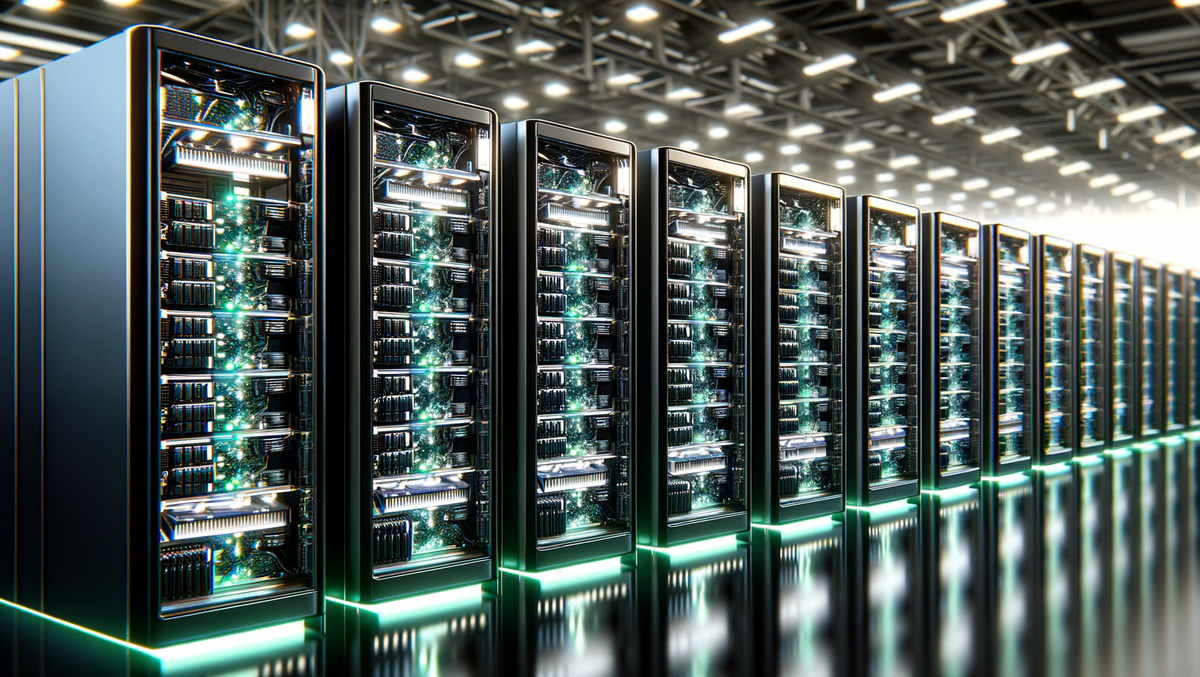
At CES 2026 NVIDIA unveiled its next-generation data-center platform, Vera Rubin. The company described it as a rack-scale system that combines a Vera CPU, Rubin GPU, DPUs, and advanced interconnects to deliver a step-change in model training and inference economics. :contentReference[oaicite:3]{index=3}
What Vera Rubin actually is
Vera Rubin is a platform-level architecture optimized for large-scale model training, with aggressive integration between CPU, GPU, and networking elements to reduce costs per token and speed up distributed training. NVIDIA said Rubin systems are already in production. :contentReference[oaicite:4]{index=4}
Why this matters to data centers and cloud providers
By delivering higher utilization and lower cost-per-inference, Vera Rubin aims to allow cloud providers to serve more models at lower marginal cost — potentially reshaping pricing and vendor competition. Analysts say the ramp could begin in H2 2026 as systems ship. :contentReference[oaicite:5]{index=5}
Impact on startups and enterprise AI
Lower training costs and faster iteration cycles could accelerate model experimentation, but access and software compatibility (stack integration) remain gating concerns.
Risks & competition
Competing vendors and cloud-native accelerators will respond with differentiated stacks; supply constraints and software lock-in are the main risks to immediate broad adoption. Expect aggressive partner programs.
Final takeaway
Vera Rubin is NVIDIA’s bet that system-level integration — not just faster chips — will define the next phase of AI infrastructure. If production claims hold, it will accelerate the enterprise AI arms race in 2026. :contentReference[oaicite:6]{index=6}